
Coronavirus Stimulus Check Will Not Go To Americans Who Owe Child Support
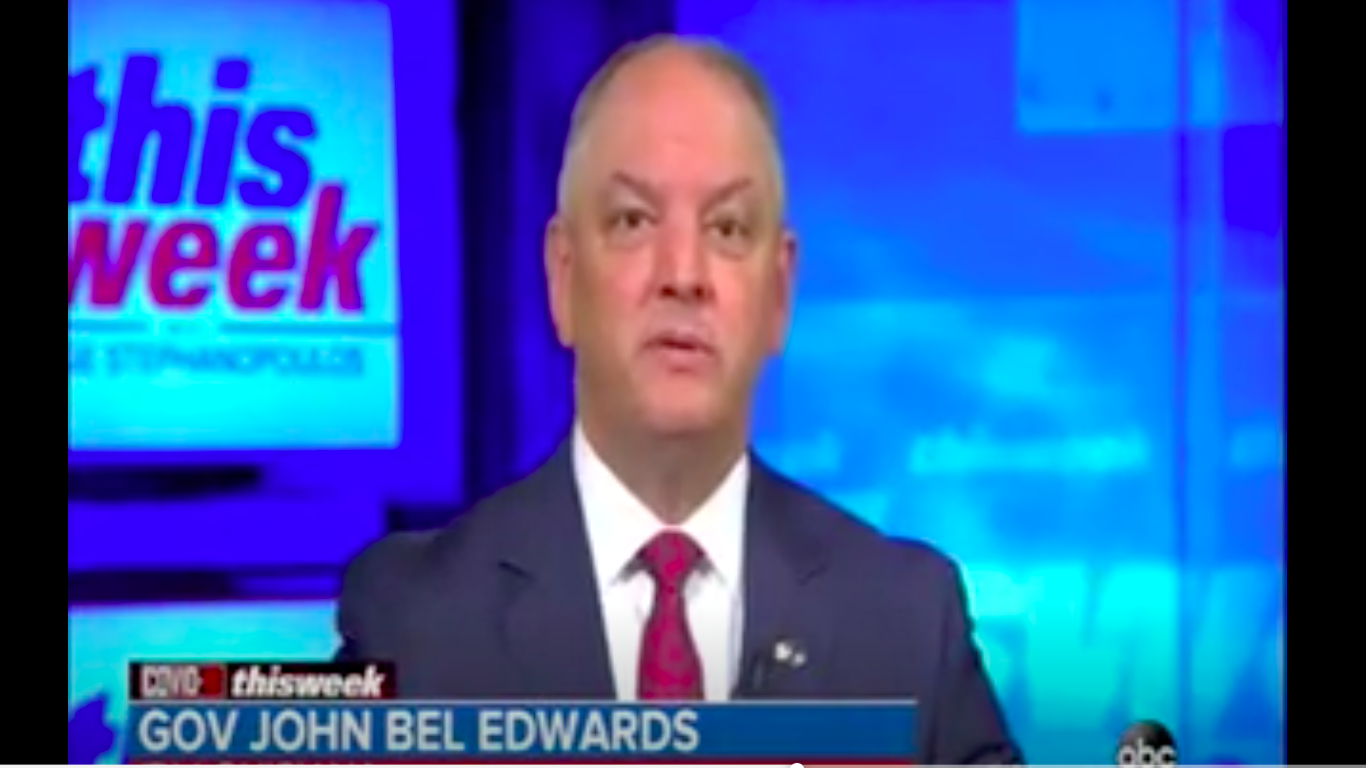
Governor Of Louisiana Says Feds Didn’t Give ‘Any Hint’ That He Needed To Cancel Mardi Gras
March 30, 2020
Chinese Wet Markets Back To Business — Still Selling Bats, Dogs And More
March 30, 2020In regards to the deadbeat parents who deliberately don’t pay child support, this is a wonderful little dose of karma.
According to Senate Finance Committee Chairman Chuck Grassley, other debts such as student loans and owing on back taxes do not reduce or otherwise effect the stimulus checks that other individuals receive.
According to Breitbart:
The legislation “turns off nearly all administrative offsets that ordinarily may reduce tax refunds for individuals who have past tax debts, or who are behind on other payments to federal or state governments, including student loan payments,” Grassley, who authored the bill, wrote in a Medium post.
“The only administrative offset that will be enforced applies to those who have past due child support payments that the states have reported to the Treasury Department,” he continued.
According to the Treasury Offset Program, he Debt Collection Improvement Act of 1996 (DCIA) authorizes the Secretary of the Treasury to collect past-due child support by the administrative offset of federal payments.
The federal government receives the information as for who is behind on child support payments via state child support agencies who report accordingly.
More from Breitbart:
The bill passed Congress on Friday, and President Donald Trump signed it into law the same day. Treasury Secretary Stephen Mnuchin said the checks should be sent out to the public within three weeks.
The one-time cash payments are available to U.S. residents with a valid social security number who make less than $99,000 per year, or couples earning up to $198,000 per year, on a recent tax filing.
The payments go up to $1,200 per person, but families can receive an additional $500 per child.
My heart goes out to those who diligently pay their child support, and perhaps are behind one month, while the receiving parent spends the money on themselves instead of the child. Plenty of those cases exist and it is unfortunate.
However, let’s hope the preceding pattern of on-time payments will merely reduce the amount of the stimulus check, as opposed to terminating it all together.
